Since 2006 · Contract-based real-time scheduling

Real-time embedded systems, explained and engineered

FRESCOR — Framework for Real-time Embedded Systems based on COntRacts — started as a European research project in 2006. Today frescor.org is an independent resource on contract-based scheduling, timing analysis and RTOS design, with in-depth guides, interactive tools and the preserved project archive.

Explore: rate monotonic vs EDF

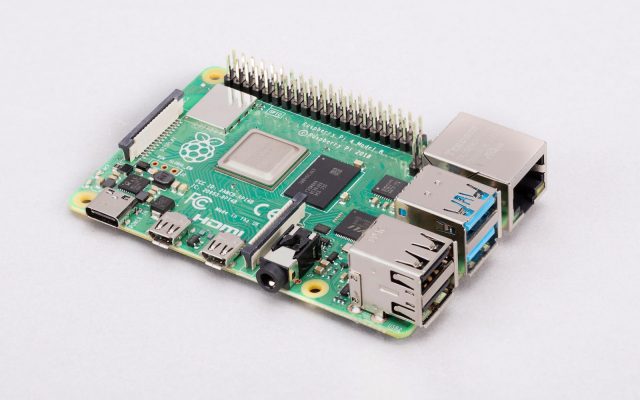
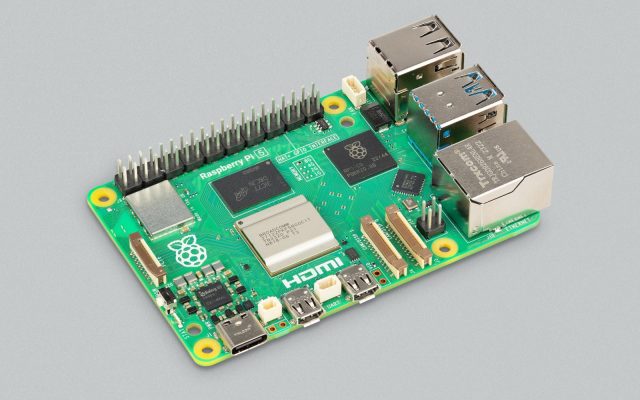
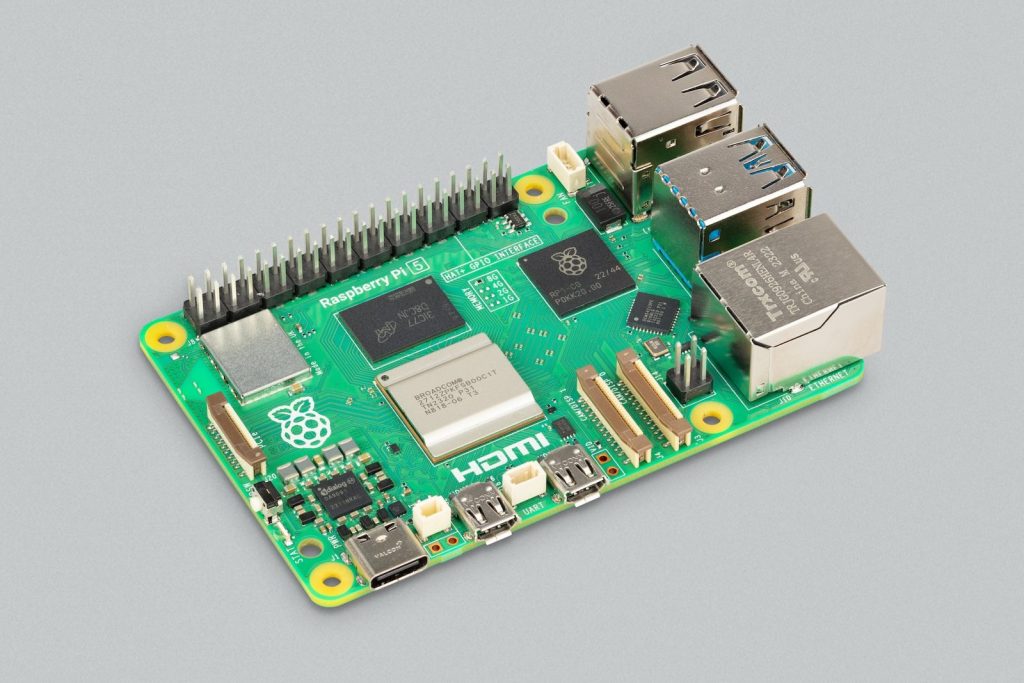
Raspberry Pi 5 single-board computer
Live schedule: two periodic tasks, U = 0.97
τ1 (C=2, T=D=5) τ2 (C=4, T=D=7) deadline miss
11consortium partners (2006)
12research objectives
17articles & archive news
70glossary terms

Framework for Real-time Embedded Systems based on COntRacts

FRESCOR is a consortium research project funded in part by the European Union’s Sixth Framework Programme (FP6/2005/IST/5-034026 ).

The main objective of the project is to develop the enabling technology and infrastructure required to effectively use the most advanced techniques developed for real-time applications with flexible scheduling requirements, in embedded systems design methodologies and tools, providing the necessary elements to target reconfigurable processing modules and reconfigurable distributed architectures.

The approach to achieve this main objective is to integrate advanced flexible scheduling techniques directly into an embedded systems design methodology, covering all the levels involved in the implementation, from the OS primitives, through the middleware, up to the application level. This will be achieved by creating a contract model that specifies which are the application requirements with respect to the flexible use of the processing resources in the system, and also what are the resources that must be guaranteed if the component is to be installed into the system, and how the system can distribute any spare capacity that it has, to achieve the highest usage of the available resources.

This contract-based methodology requires, for each resource, an underlying implementation that is capable of enforcing the reservations implied by the different active contracts. The contracts will be integrated with a component-based framework, and will provide the required level of abstraction to make the component model independent of the underlying implementation and hardware architecture. The framework will be portable across different scheduling strategies and platforms. Because of the dynamic nature of the contracts and the independence that they provide among the different real-time components of the application, the methodology is well suited to address very dynamic systems, such as those based on reconfigurable architectures.

This project was part of the portfolio of the Embedded Systems Unit – G3 Directorate General Information Society. For more information please check the CORDIS project record.
Next page: Project Overview

Explore the topics

Scheduling Theory

RM, DM, EDF, servers, priority ceiling and contract-based scheduling.

5 articles

Timing Analysis

WCET, response-time analysis and verified timing budgets.

2 articles

RTOS & Platforms

Zephyr, FreeRTOS, NuttX, RTEMS and PREEMPT_RT Linux.

2 articles

Architectures & Networks

Multicore, mixed criticality, CAN, TSN and wireless.

2 articles

Applications

UAV autopilots, embedded vision and safety-critical products.

2 articles

Design Methods

Model-based design with Simulink, AADL and logical execution time.

1 article

Latest guides

All articles
Timing Analysis 8 min read

Response-Time Analysis: A Step-by-Step Worked Example

Learn response-time analysis for fixed-priority scheduling through a fully computed four-task example, with every iteration tabulated, followed by blocking, release jitter, sensitivity analysis and…

Where timing guarantees matter

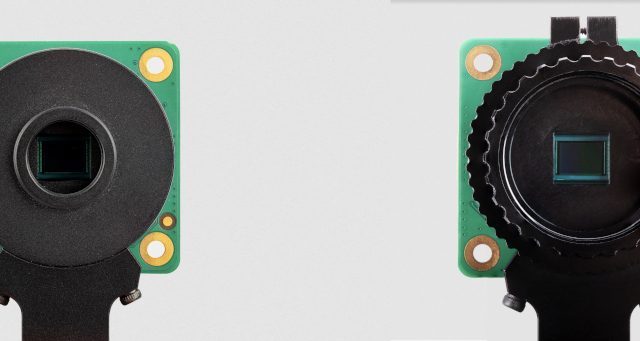
Embedded high-quality camera modules

Digital video surveillance

One of the three FRESCOR evaluation domains: frame-accurate capture, analytics and recording under a fixed CPU budget.

Read the guide →
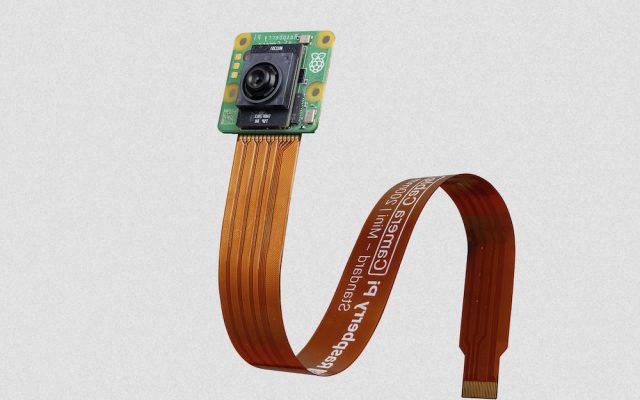
AI camera module with on-sensor inference

Multimedia video streaming

Adaptive quality-of-service: spare capacity is redistributed so video degrades gracefully instead of stalling.

Read the guide →
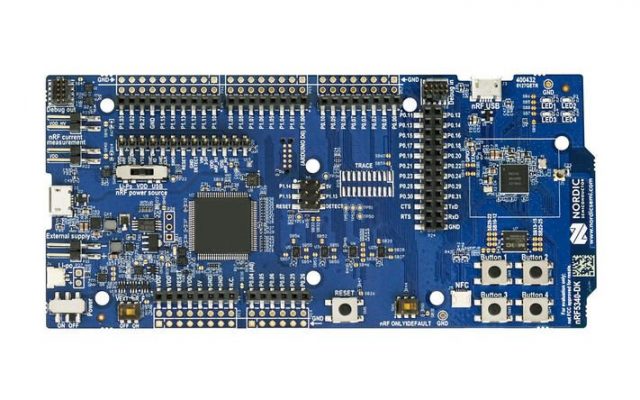
Nordic nRF5340 development kit (Zephyr RTOS board)

Software-defined & wireless radio

Radio protocols impose microsecond-level slots — a classic hard real-time workload on tiny MCUs.

Read the guide →
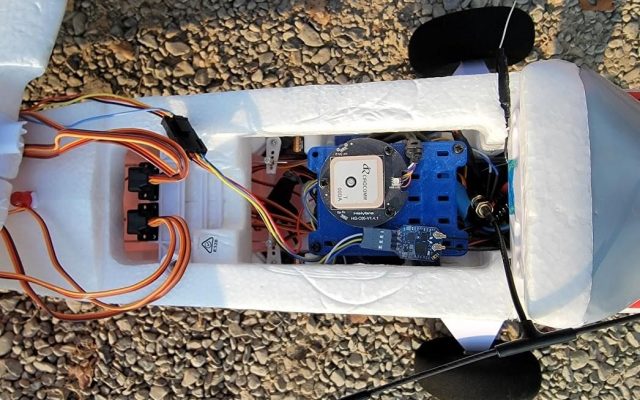
Fixed-wing UAV on a grass airfield

Flight control

Autopilot rate loops run at hundreds of hertz; a missed deadline is a stability problem.

Read the guide →
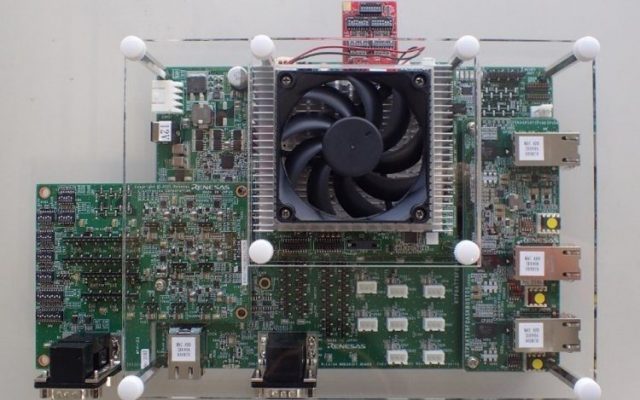
Renesas R-Car S4 Spider automotive multicore board

Automotive multicore

Gateways and zone controllers mix safety-critical and best-effort software on shared cores.

Read the guide →
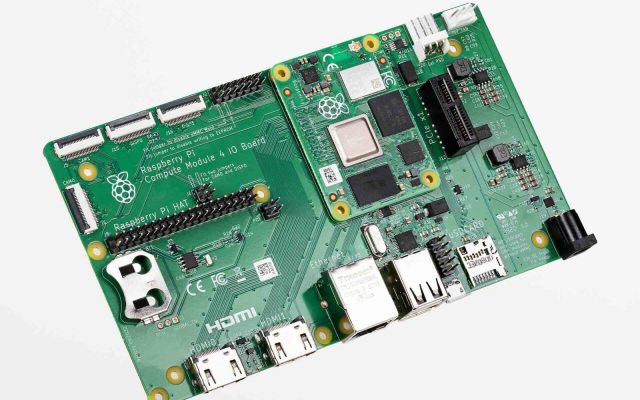
Compute Module 4 IO carrier board

Industrial edge computing

Real-time Linux on modules brings deterministic control next to rich connectivity.

Read the guide →

Services & products

All services

Real-Time Schedulability Audit

An independent review of your embedded system's timing. We build a task model, check schedulability with response-time analysis, examine blocking, interrupts and…

€2,900Consulting Services

RTOS Selection & Migration Consulting

Vendor-neutral help choosing the right real-time operating system for your product. We translate your timing, safety, hardware and licensing requirements into a…

€1,900Consulting Services

WCET & Timing Analysis Service

Reliable execution-time data for your critical code. We plan and carry out worst-case execution time analysis using measurement-based and hybrid techniques suited…

€3,400Consulting Services

Contract-Based Scheduling Training Workshop

A practical training workshop on real-time scheduling for engineers. Learn fixed-priority and EDF analysis, resource access protocols, resource reservations and contract-based scheduling,…

€1,250Training

The Embedded Timing Field Guide

A practical PDF field guide to timing in embedded systems. It condenses real-time scheduling theory, response-time analysis, WCET estimation, locking protocols and…

Original price was: €39.Current price is: €29.Digital Products

Frequently asked questions

What is FRESCOR.org?

An independent knowledge resource on real-time embedded systems, relaunched in 2026. We publish in-depth articles, a free schedulability calculator and a glossary, and keep a factual archive of the original FRESCOR research project. Learn more about us.

Is this site affiliated with the original FRESCOR project?

No. This site is not operated by, affiliated with or endorsed by the original FRESCOR consortium, its partners or the European Commission. We describe the 2006–2009 EU FP6 project for historical reference on our project overview pages.

What does "real-time" actually mean?

A real-time system must produce correct results within defined time limits, called deadlines. It is about predictability, not raw speed. Our introduction, What Is a Real-Time Embedded System?, explains hard, firm and soft deadlines.

How can I check whether my task set is schedulable?

Enter your tasks' execution times and periods in the schedulability calculator to check them under Rate Monotonic and EDF, with response-time analysis and a Gantt chart. For the method behind it, see our worked example.

Where should I start reading?

Start with the fundamentals, then compare Rate Monotonic and EDF and read Contract-Based Scheduling Explained. The blog lists every article by topic.

Can you help with my project?

Yes. We offer schedulability audits, RTOS selection, WCET analysis, real-time Linux tuning, training and a downloadable field guide. See the services page or contact us to discuss your needs. More answers are on our full FAQ.

Need a second pair of eyes on your timing?

Schedulability audits, WCET analysis, RTOS selection and real-time Linux tuning.

Contact us